dentist migration costdental exam costs abroaddental licensure budget

Dentist Migration Costs in 2026: Five Countries, Itemised, Side by Side

The real budget for the dental route in Australia, Canada, the UK, Germany, and the US — five cost layers from exams to living, payment notes for applicants from sanctioned countries, currency-risk rules, and two hidden costs nobody itemises.

Dentist Migration Costs in 2026: Five Countries, Itemised, Side by Side

Most cost lists you will find add up exam fees and stop — which is why they are always half the truth. A real budget has five layers: exams, preparation, language, documents, and travel/living through the transition. This article lays all five out for five destinations; exam figures are official (2026), the rest are the ranges candidates consistently report.

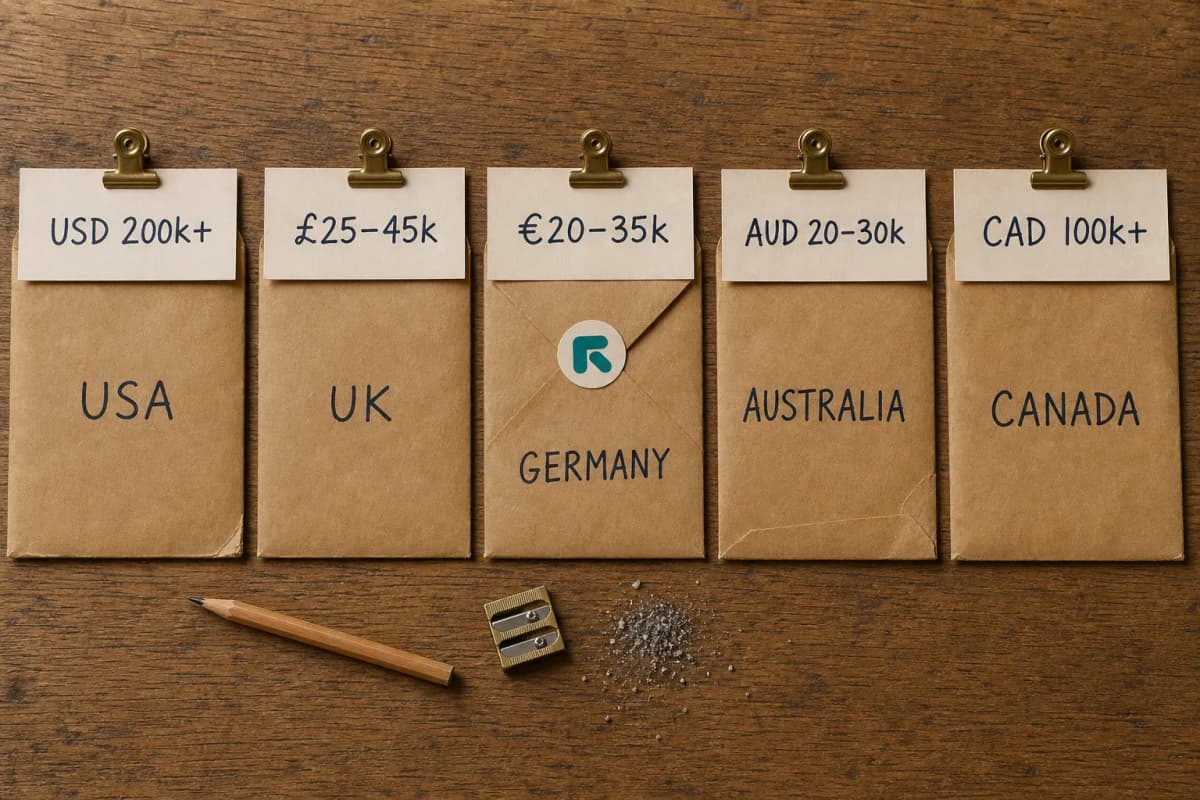
The totals, before the itemisation

  • Australia: AUD 20,000–30,000 — the cheapest
  • Germany: EUR 20,000–50,000
  • UK: £25,000–45,000
  • Canada: CAD 35,000–65,000
  • USA: USD 200,000–400,000 — in a category of its own

The exam layer: official 2026 figures

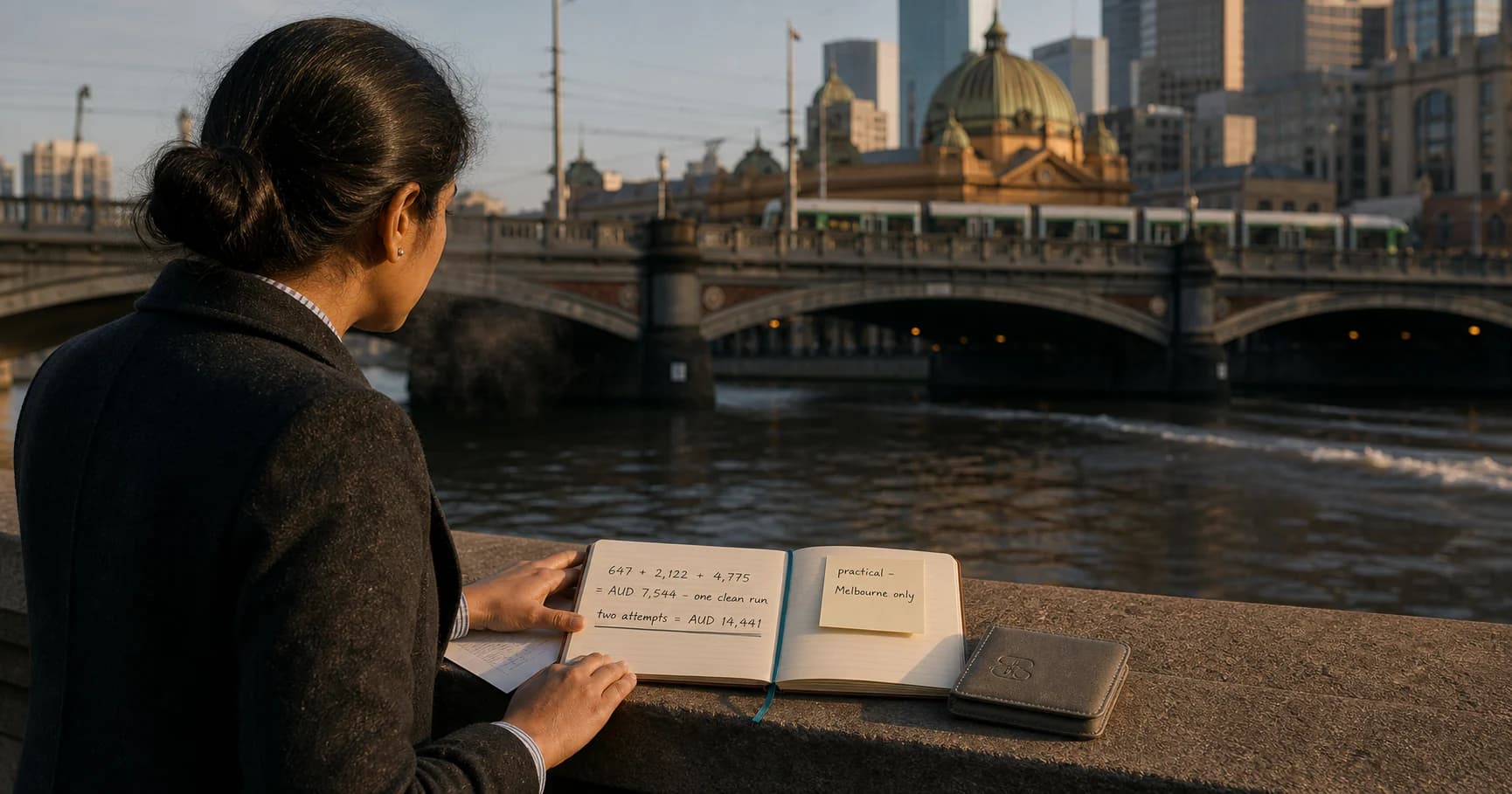
Australia: Initial Assessment 647 + written 2,122 + practical 4,775 = about AUD 7,544. Canada: AFK 1,000 + ACJ 1,350 + NDECC 6,500 + Virtual OSCE 1,750 = about CAD 10,600. UK: ORE Part 1 at 600 (with processing) + Part 2 at 6,967 = about £7,600. Germany: the Kenntnisprüfung itself is cheap (€200–700); the full state process with its administrative components usually runs €1,800–2,500. USA: the INBDE with the international processing fee, about USD 1,325–1,524 — but the exam is the smallest line in the American budget.

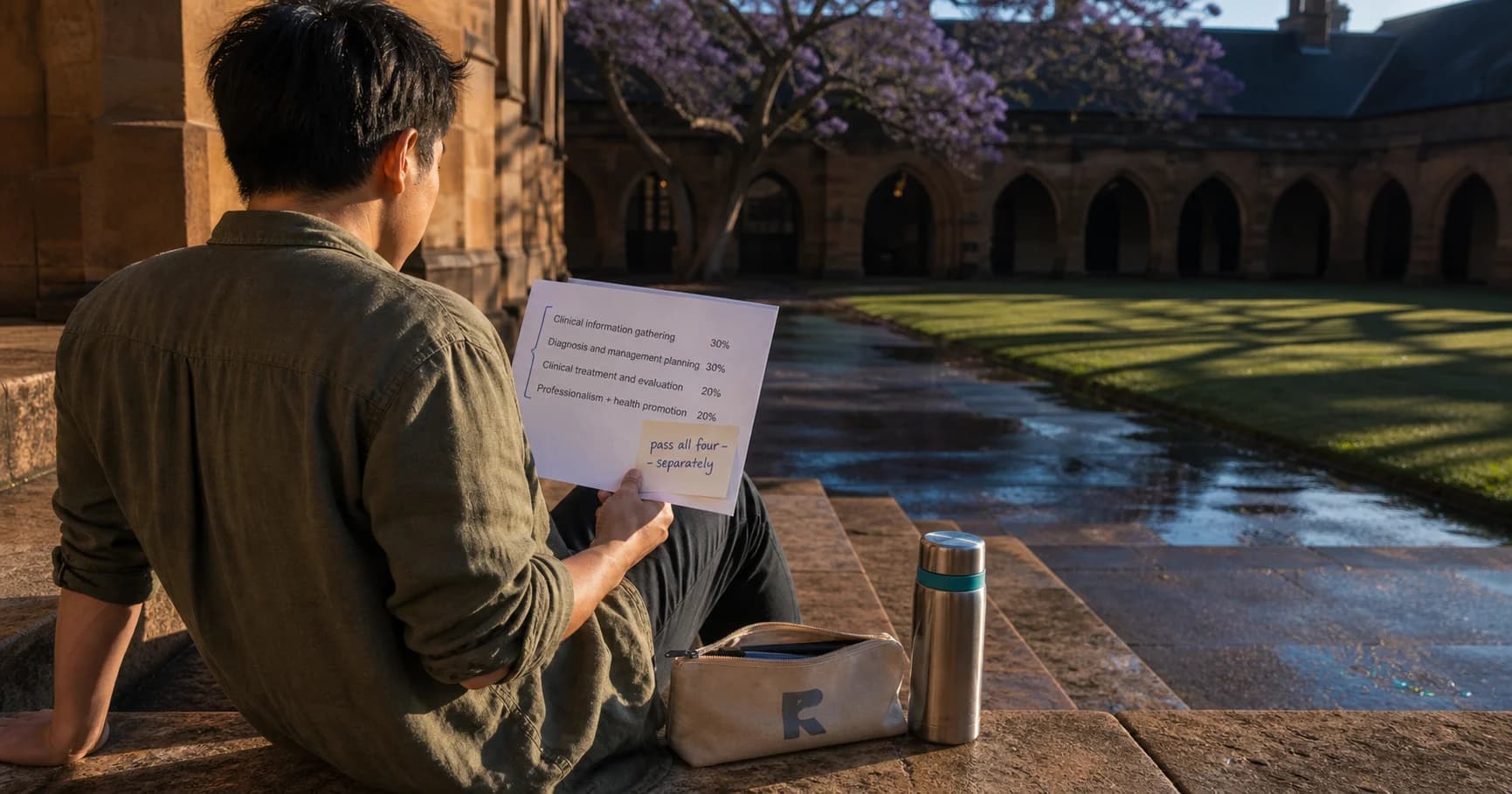
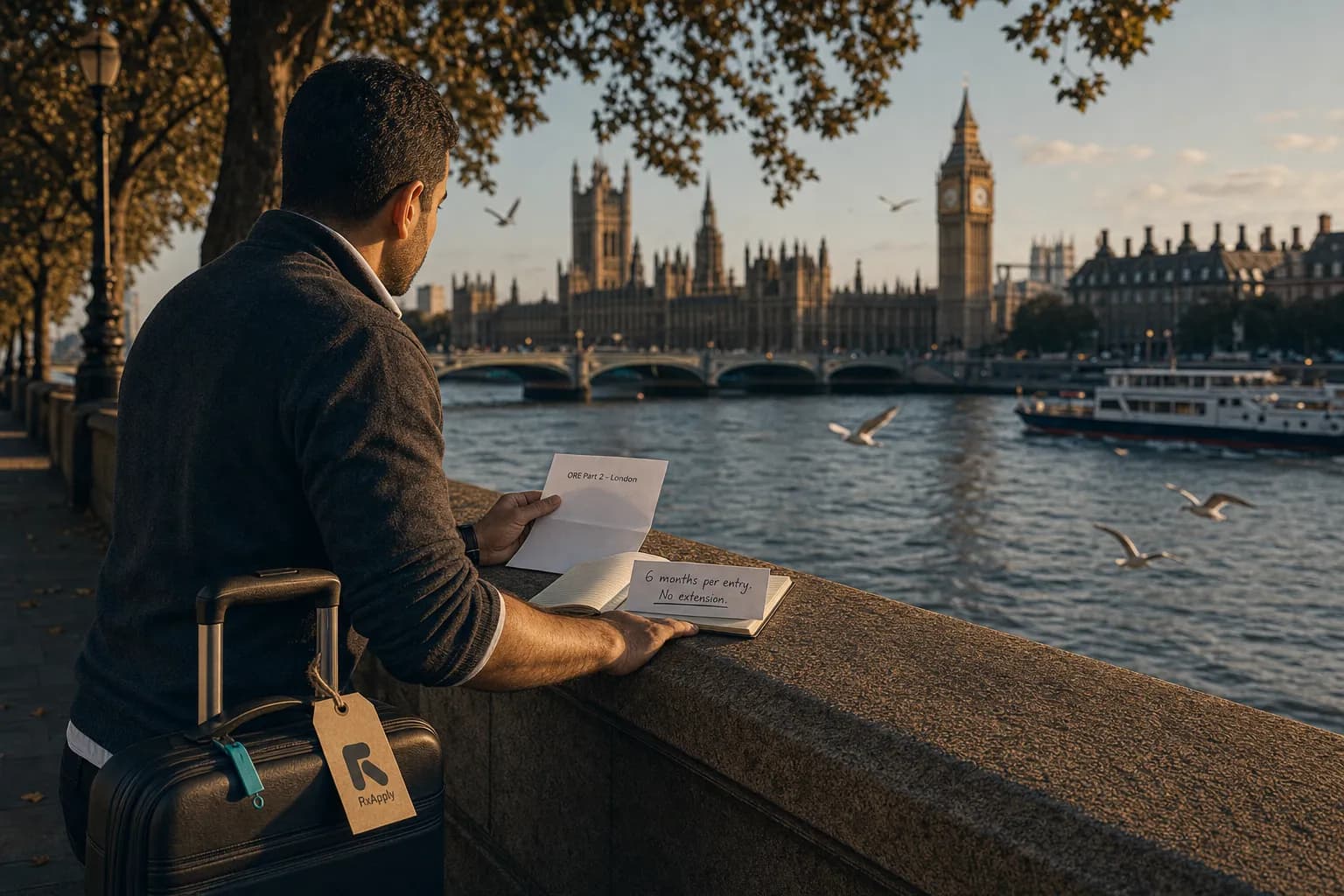
All of those assume first-attempt passes. Realism means budgeting one retake for your route's riskiest exam — the ADC practical (10–15 percent pass), the NDECC clinical (40.6), or ORE Part 2 — and for ORE Part 2, that "one retake" means another £6,967.

The preparation layer: where budgets double

The pattern repeats across all five: theory exams are manageable with online resources, but practical exams demand in-person courses, instruments, and materials. The reported numbers: full ADC practical preparation lifts that stage to AUD 16,000–20,000; ORE Part 2 with course, kit, and mocks runs £11,500–13,000; in Canada, NDECC preparation courses are the big line after the exam itself. In the US, "preparation" simply has another name: the IDP's USD 130,000–220,000 tuition.

Weigh the official shortcuts in this layer too: Canada's BTDPC, at CAD 32,000 tuition, deletes the 6,500-dollar NDECC and its preparation — sometimes "more on paper" is less risk and less time in reality.

The language and documents layer

Language is never just a test fee; it is courses plus the chance of a retake. The UK is strictest (IELTS Academic 7.0, no alternatives), Australia most flexible (four tests, including the OET with an in-person Tehran centre — paper AUD 587 / computer USD 455), Germany the most time-hungry (general B2 plus specialist C1; and with Iran's official Goethe centre closed, every official sitting is an international trip — telc Medizin at €280–450 is that route's best single exam).

Documents run their own chain: in-country authentication typically costs the equivalent of tens of dollars and takes three to six weeks; Germany requires sworn German translations (a separate budget), Australia accepts Iranian certified translations (a real saving), the US wants an ECE evaluation and Canada WES/ICAS, and Britain adds a solicitor's stamp on translations.
Dentist Migration Costs in 2026: Five Countries, Itemised, Side by Side

The travel and living layer: the invisible line

Each destination imposes its exam geography on your budget: both ORE parts only in London; the ADC practical only in Melbourne; the NDECC only in Ottawa; the theory exams of Canada, Australia, and the US in Dubai/Istanbul/Yerevan. Every trip means flights, a visa where needed, accommodation, and unpaid days. Routes with in-person preparation in the destination add months of rent. This is the layer that turns a floor budget into a ceiling budget.

Two proven antidotes: in Germany, supervised work on a Berufserlaubnis makes the preparation period income-positive; in Britain, interim roles (NEBDN nursing at £10–22 an hour) claw back part of the living costs.

Paying from a sanctioned country: three working rules

First, the mainstream payment rails (Wise, PayPal, Remitly) do not serve Iran; payments typically run through a family member's foreign account or established community exchange services — and keep away from anonymous crypto channels: six Iranian crypto exchanges were specifically sanctioned in January 2026, and secondary-sanctions risk is real. Keep a receipt and a source-of-funds record for every payment; the full guide is in the money-transfer article. Second, build currency volatility into the plan: the open-market rial moved from about 817,000 per dollar in January 2025 to a record 1.42 million in December 2025; convert near-term committed costs early and re-price every local-currency estimate on payment day. Third, the destinations' own government fees have calendars — 2026 examples: Canada's IRCC increases from 30 April, and ORE Part 2's 65 percent rise.

Two hidden costs no list includes

Retirement from zero: Iran has no pension-totalisation agreement with any of the five destinations; your social-security contributions effectively do not export. Accept the "zero start" in your financial plan and compensate from year one in the destination (Germany's bright spot: the dentists' Versorgungswerk is notably more generous than the statutory scheme). Two-sided tax: there is no comprehensive double-taxation treaty either; if you keep active Iranian income (rent, a practice share), take specialist advice before becoming tax-resident abroad.

Cost against payback

Set the budget beside first-year income and the decision takes its true shape: a typical UK GP earns £75–150k, Canada CAD 170–280k (more in the north), with Australia and Germany reliably proportionate. In every destination except the US, the entire route usually costs less than half of one year's gross income. The American route is the only one whose logic is "major capital investment" rather than "transition cost" — and in 2026 its visa problem outranks its financial logic.

Three final budgeting rules

The one-third rule: if your accessible funds are below your chosen destination's floor plus a third, change the destination or the timeline — a budget without margin breaks at the first retake or visa delay. The separation rule: three pots — exams/administration, transition living, and an emergency reserve — with borrowing from the third only by written decision. The quarterly review: re-price everything against the day's exchange rate and official announcements (this year's IRCC and ORE rises, for instance); a budget is a living document, not a souvenir photo.


Each destination itemised: AustraliaCanadaUKGermany • the overview: the five-destination comparison

RxApply

RxApply

Dentist Migration Costs in 2026: Five Countries, Itemised, Side by Side

The real budget for the dental route in Australia, Canada, the UK, Germany, and the US — five cost layers from exams to living, payment notes for applicants from sanctioned countries, currency-risk rules, and two hidden costs nobody itemises.

Dentist Migration Costs in 2026: Five Countries, Itemised, Side by Side

Most cost lists you will find add up exam fees and stop — which is why they are always half the truth. A real budget has five layers: exams, preparation, language, documents, and travel/living through the transition. This article lays all five out for five destinations; exam figures are official (2026), the rest are the ranges candidates consistently report.

The totals, before the itemisation

  • Australia: AUD 20,000–30,000 — the cheapest
  • Germany: EUR 20,000–50,000
  • UK: £25,000–45,000
  • Canada: CAD 35,000–65,000
  • USA: USD 200,000–400,000 — in a category of its own

The exam layer: official 2026 figures

Australia: Initial Assessment 647 + written 2,122 + practical 4,775 = about AUD 7,544. Canada: AFK 1,000 + ACJ 1,350 + NDECC 6,500 + Virtual OSCE 1,750 = about CAD 10,600. UK: ORE Part 1 at 600 (with processing) + Part 2 at 6,967 = about £7,600. Germany: the Kenntnisprüfung itself is cheap (€200–700); the full state process with its administrative components usually runs €1,800–2,500. USA: the INBDE with the international processing fee, about USD 1,325–1,524 — but the exam is the smallest line in the American budget.

All of those assume first-attempt passes. Realism means budgeting one retake for your route's riskiest exam — the ADC practical (10–15 percent pass), the NDECC clinical (40.6), or ORE Part 2 — and for ORE Part 2, that "one retake" means another £6,967.

The preparation layer: where budgets double

The pattern repeats across all five: theory exams are manageable with online resources, but practical exams demand in-person courses, instruments, and materials. The reported numbers: full ADC practical preparation lifts that stage to AUD 16,000–20,000; ORE Part 2 with course, kit, and mocks runs £11,500–13,000; in Canada, NDECC preparation courses are the big line after the exam itself. In the US, "preparation" simply has another name: the IDP's USD 130,000–220,000 tuition.

Weigh the official shortcuts in this layer too: Canada's BTDPC, at CAD 32,000 tuition, deletes the 6,500-dollar NDECC and its preparation — sometimes "more on paper" is less risk and less time in reality.

The language and documents layer

Language is never just a test fee; it is courses plus the chance of a retake. The UK is strictest (IELTS Academic 7.0, no alternatives), Australia most flexible (four tests, including the OET with an in-person Tehran centre — paper AUD 587 / computer USD 455), Germany the most time-hungry (general B2 plus specialist C1; and with Iran's official Goethe centre closed, every official sitting is an international trip — telc Medizin at €280–450 is that route's best single exam).

Documents run their own chain: in-country authentication typically costs the equivalent of tens of dollars and takes three to six weeks; Germany requires sworn German translations (a separate budget), Australia accepts Iranian certified translations (a real saving), the US wants an ECE evaluation and Canada WES/ICAS, and Britain adds a solicitor's stamp on translations.

Dentist Migration Costs in 2026: Five Countries, Itemised, Side by Side

The travel and living layer: the invisible line

Each destination imposes its exam geography on your budget: both ORE parts only in London; the ADC practical only in Melbourne; the NDECC only in Ottawa; the theory exams of Canada, Australia, and the US in Dubai/Istanbul/Yerevan. Every trip means flights, a visa where needed, accommodation, and unpaid days. Routes with in-person preparation in the destination add months of rent. This is the layer that turns a floor budget into a ceiling budget.

Two proven antidotes: in Germany, supervised work on a Berufserlaubnis makes the preparation period income-positive; in Britain, interim roles (NEBDN nursing at £10–22 an hour) claw back part of the living costs.

Paying from a sanctioned country: three working rules

First, the mainstream payment rails (Wise, PayPal, Remitly) do not serve Iran; payments typically run through a family member's foreign account or established community exchange services — and keep away from anonymous crypto channels: six Iranian crypto exchanges were specifically sanctioned in January 2026, and secondary-sanctions risk is real. Keep a receipt and a source-of-funds record for every payment; the full guide is in the money-transfer article. Second, build currency volatility into the plan: the open-market rial moved from about 817,000 per dollar in January 2025 to a record 1.42 million in December 2025; convert near-term committed costs early and re-price every local-currency estimate on payment day. Third, the destinations' own government fees have calendars — 2026 examples: Canada's IRCC increases from 30 April, and ORE Part 2's 65 percent rise.

Two hidden costs no list includes

Retirement from zero: Iran has no pension-totalisation agreement with any of the five destinations; your social-security contributions effectively do not export. Accept the "zero start" in your financial plan and compensate from year one in the destination (Germany's bright spot: the dentists' Versorgungswerk is notably more generous than the statutory scheme). Two-sided tax: there is no comprehensive double-taxation treaty either; if you keep active Iranian income (rent, a practice share), take specialist advice before becoming tax-resident abroad.

Cost against payback

Set the budget beside first-year income and the decision takes its true shape: a typical UK GP earns £75–150k, Canada CAD 170–280k (more in the north), with Australia and Germany reliably proportionate. In every destination except the US, the entire route usually costs less than half of one year's gross income. The American route is the only one whose logic is "major capital investment" rather than "transition cost" — and in 2026 its visa problem outranks its financial logic.

Three final budgeting rules

The one-third rule: if your accessible funds are below your chosen destination's floor plus a third, change the destination or the timeline — a budget without margin breaks at the first retake or visa delay. The separation rule: three pots — exams/administration, transition living, and an emergency reserve — with borrowing from the third only by written decision. The quarterly review: re-price everything against the day's exchange rate and official announcements (this year's IRCC and ORE rises, for instance); a budget is a living document, not a souvenir photo.


Each destination itemised: AustraliaCanadaUKGermany • the overview: the five-destination comparison

RxApply

About the author

RxApply

The RxApply editorial team — coaches, alumni, and operations — writes field notes from the cohort. Each article lists the coach who lived the path it describes.

Related field notes

More from the blog.

Curated by coaches. Read in order if you’re starting from zero.

All field notes
RxApply